How-To Guides · Safety
Carbon Monoxide: The Invisible Danger (Alarms, Symptoms, What to Do)
Carbon monoxide is a gas you can't see, smell, or taste, and it can kill people and pets. A working alarm is your only warning. Here's what fire safety experts recommend.
1. Where It Comes From
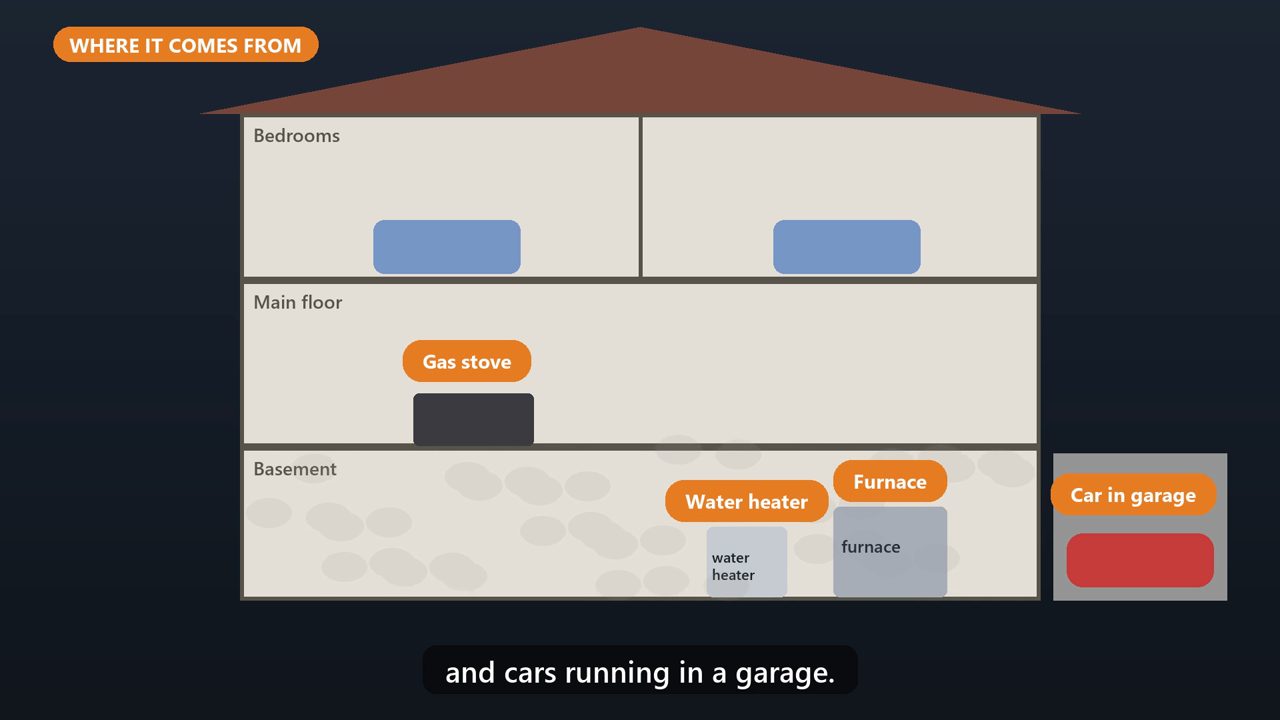
It's made when fuel burns. Furnaces, water heaters, gas stoves, fireplaces, generators, and cars running in a garage.
2. Step 1: Put In Alarms
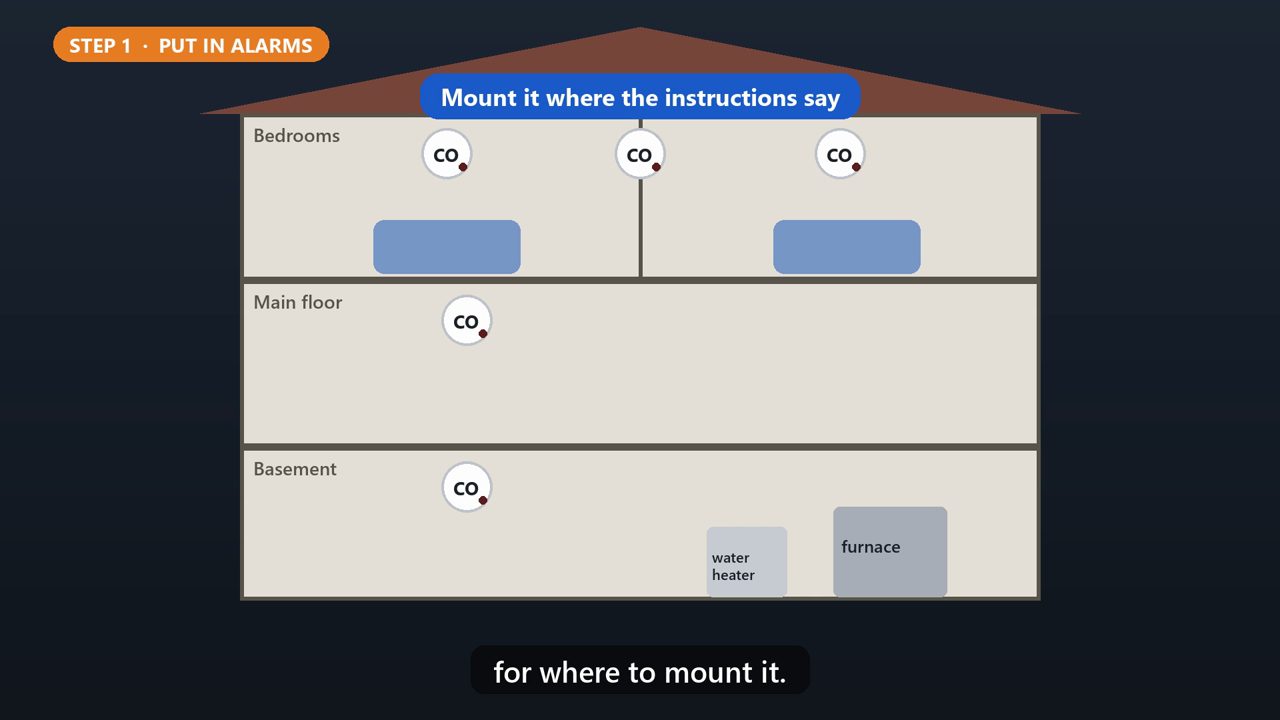
Put carbon monoxide alarms outside each sleeping area, in rooms where people sleep, and on every level, including the basement. Follow the alarm's instructions for where to mount it.
3. Step 2: Test Monthly
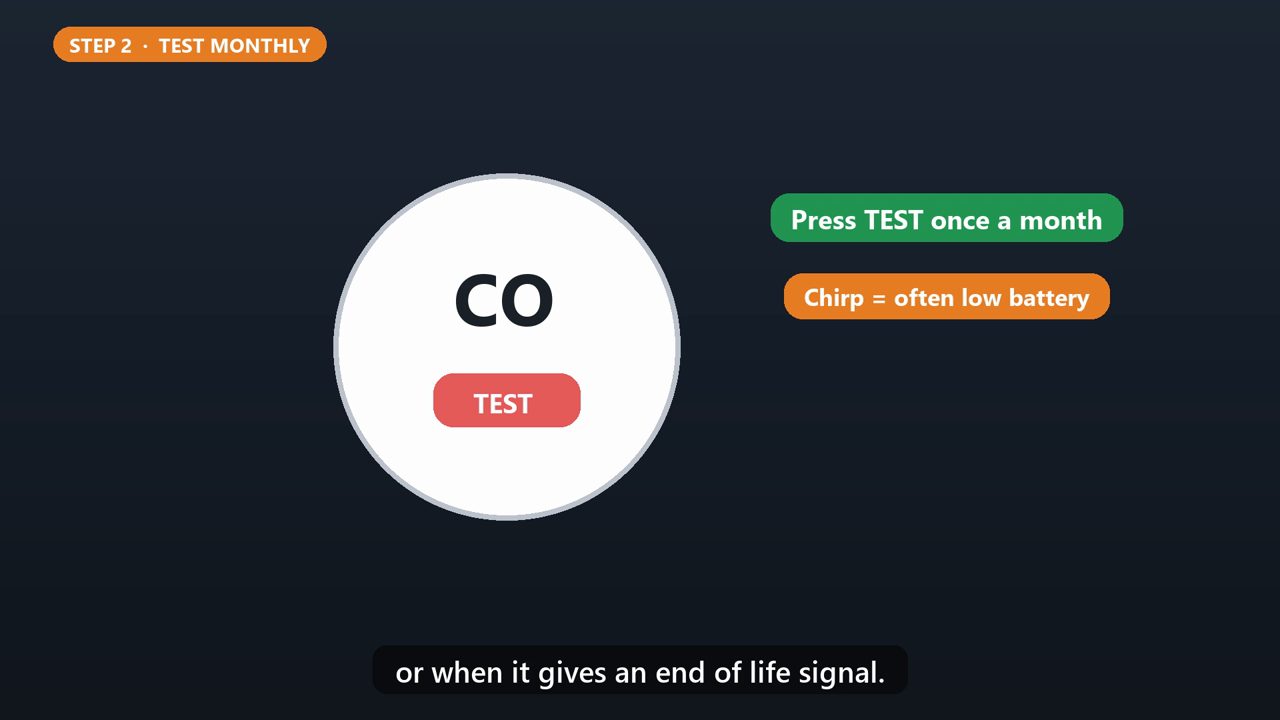
Press the test button once a month. Learn its sounds. A chirp often means low battery. And replace the alarm when the manufacturer says, or when it gives an end of life signal.
4. Know The Signs
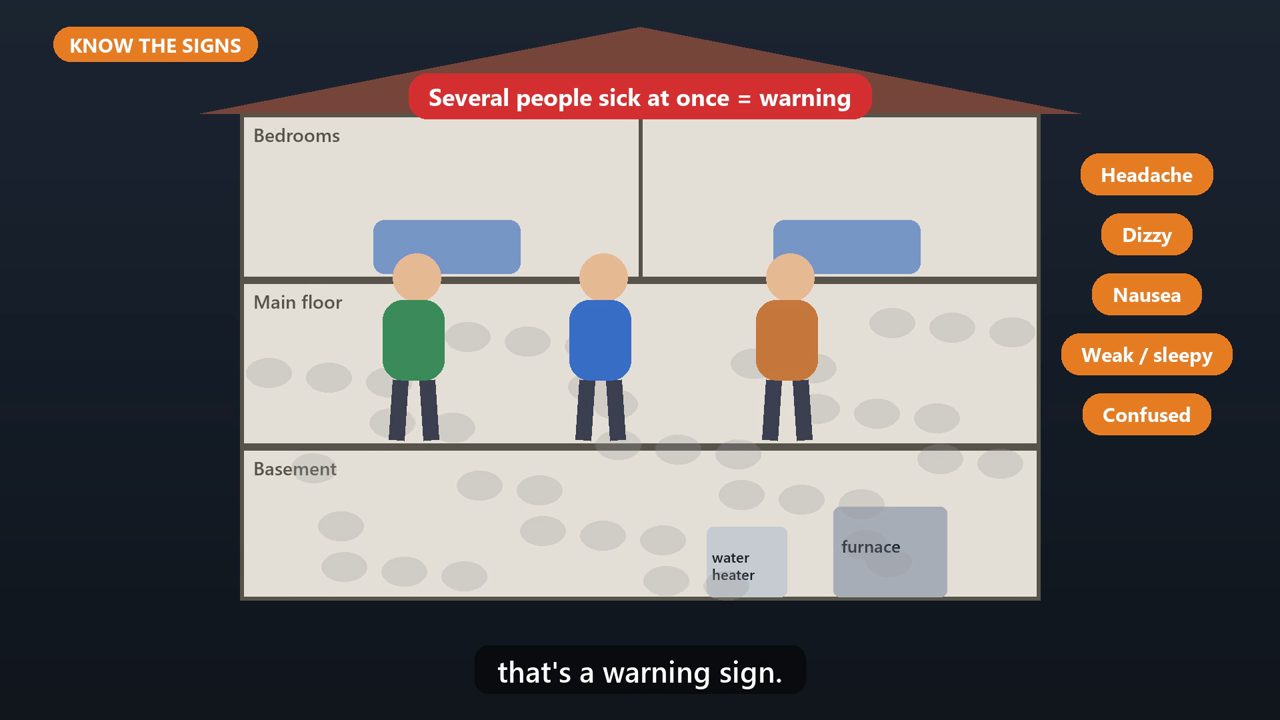
Symptoms can feel like the flu. Headache, dizziness, nausea, feeling weak or sleepy, or confused. If several people in the house feel sick at once, that's a warning sign.
5. If The Alarm Sounds
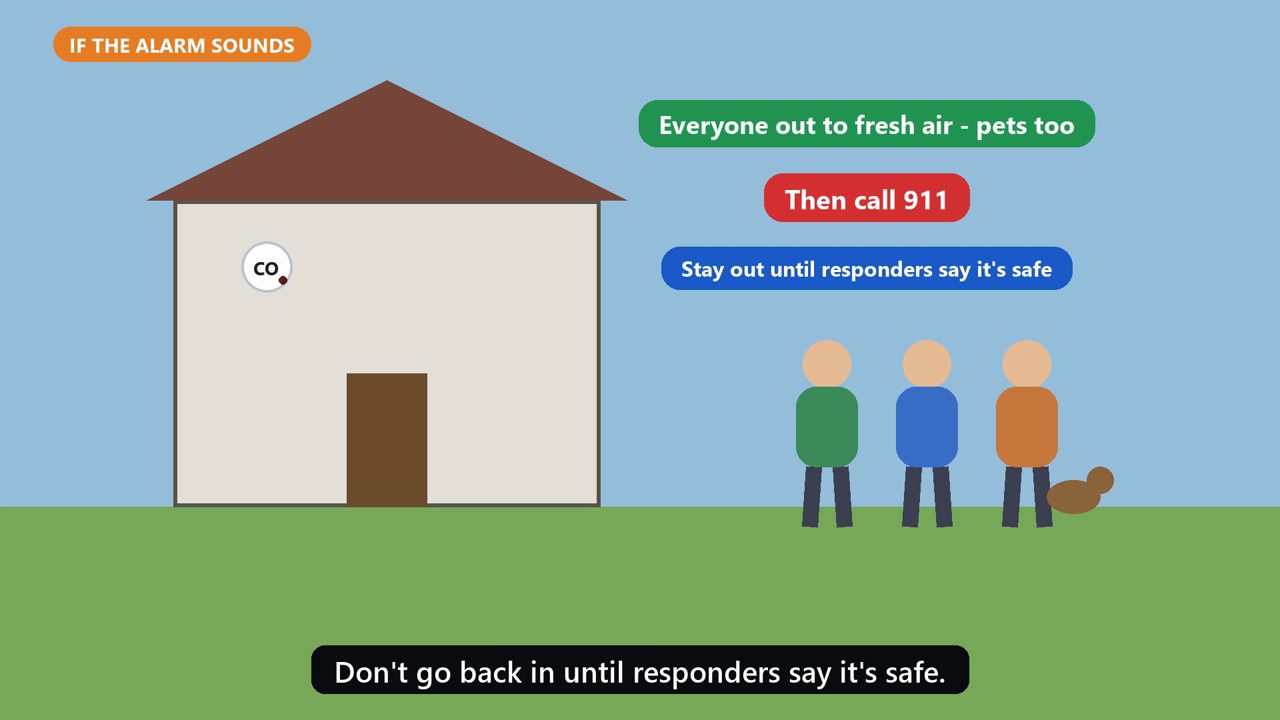
If the alarm goes off, or anyone has symptoms, get everyone outside to fresh air right away, pets too. Then call nine one one. Don't go back in until responders say it's safe.
6. Prevent It
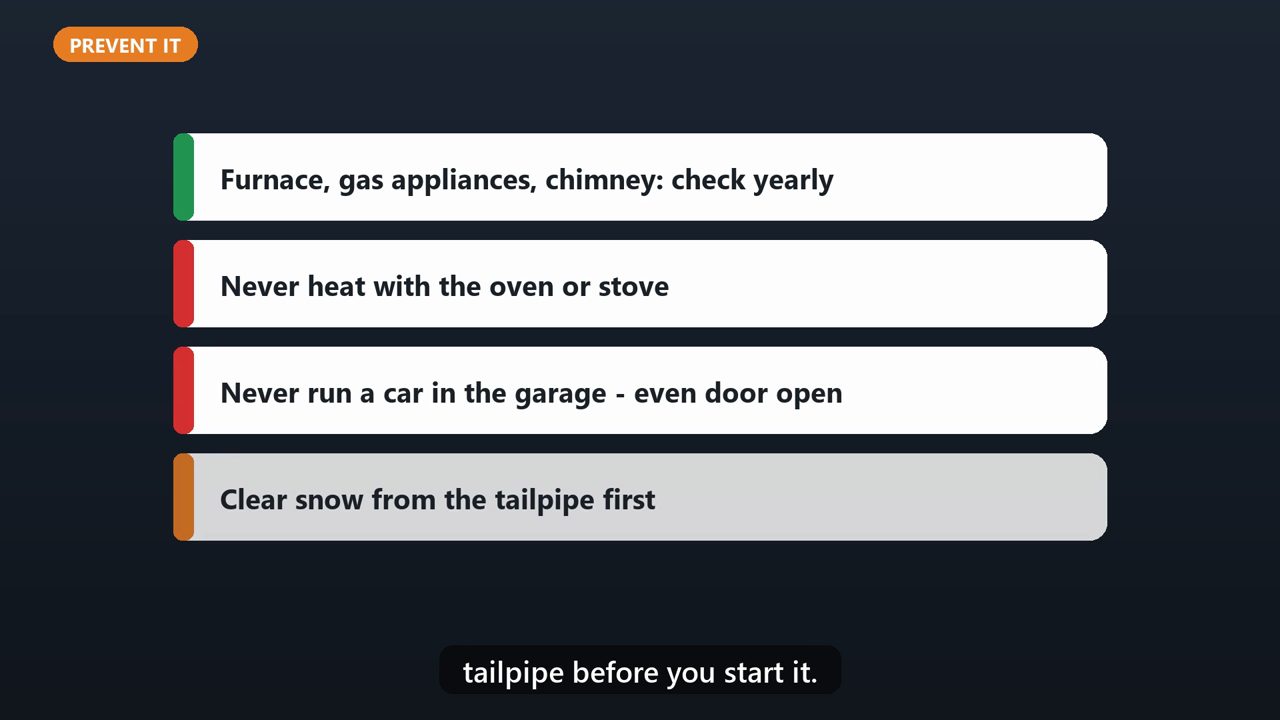
Have your furnace, gas appliances, and chimney checked every year. Never heat your home with the oven or stove. Never run a car in the garage, even with the door open. And clear snow from your car's tailpipe before you start it.
Tools that make this easier
Simple Google Sheets + Excel tools from WiscHaven. Buy once, no subscription.




Sources
Checked against the official sources above. Steps can change as apps update - tell us if something looks different: wischavenindustries@gmail.com