How-To Guides · Everyday skills
How to Read a Nutrition Facts Label (in 2 Minutes)
That black and white box on the back of food packages tells you a lot, once you know where to look. Here's how to read a Nutrition Facts label in about two minutes, using the F D A's own guide.
1. Step 1: Start With The Serving
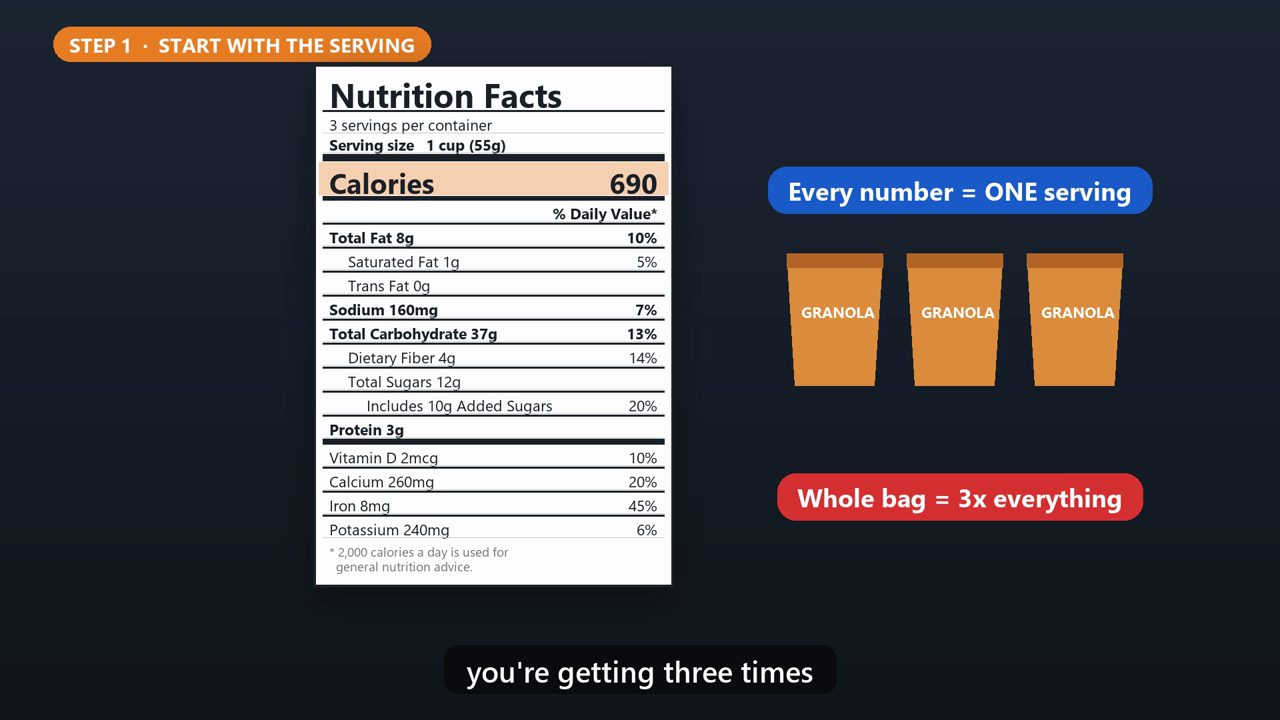
Start at the top, with the serving size and servings per container. Every number below is for one serving. So if the bag has three servings, and you eat the whole bag, you're getting three times everything on the label.
2. Step 2: Calories
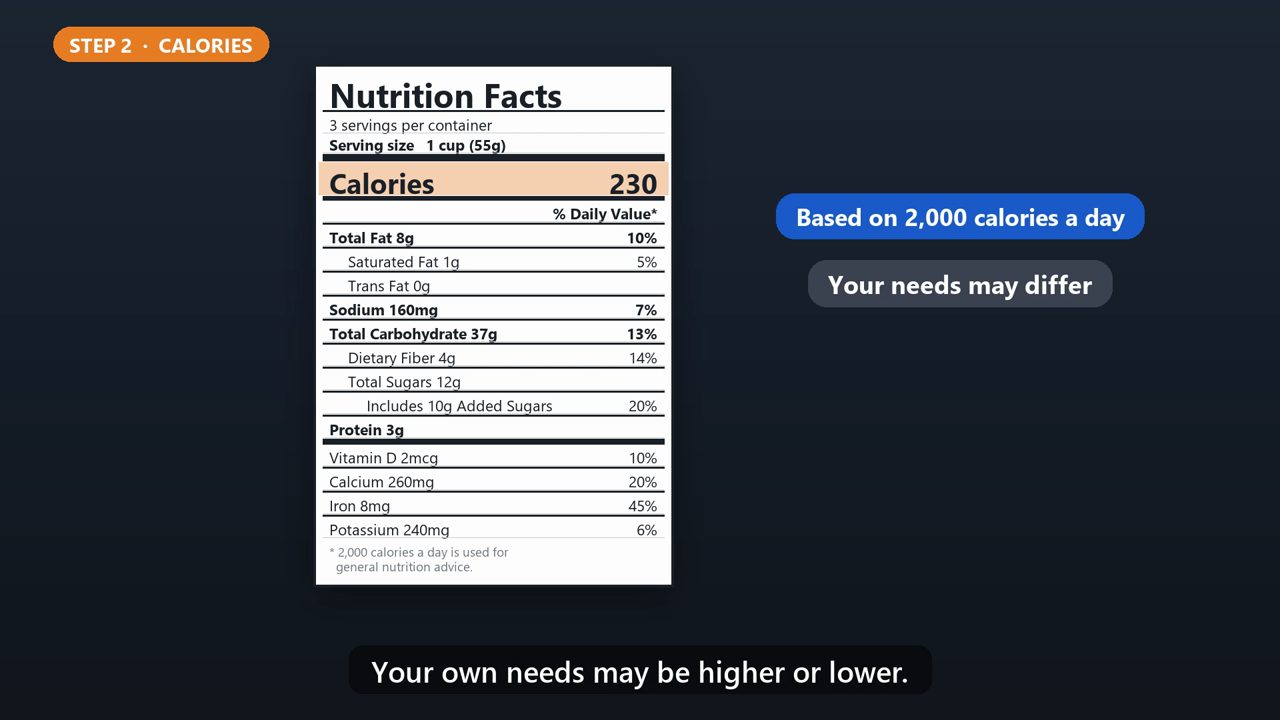
Next, calories, in big bold numbers. The label uses two thousand calories a day as a general guide. Your own needs may be higher or lower.
3. Step 3: The 5 And 20 Rule
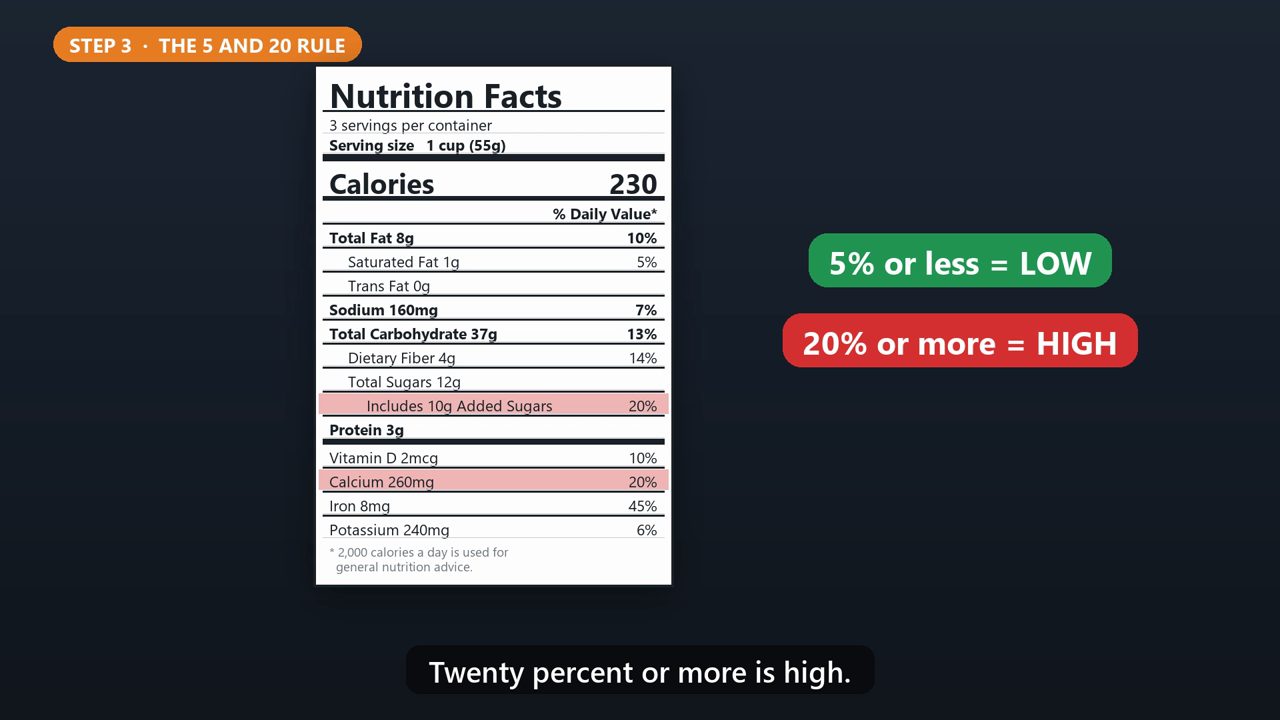
Now look at the percent daily value column on the right. Here's the easy rule. Five percent or less is low. Twenty percent or more is high.
4. Get Less Of
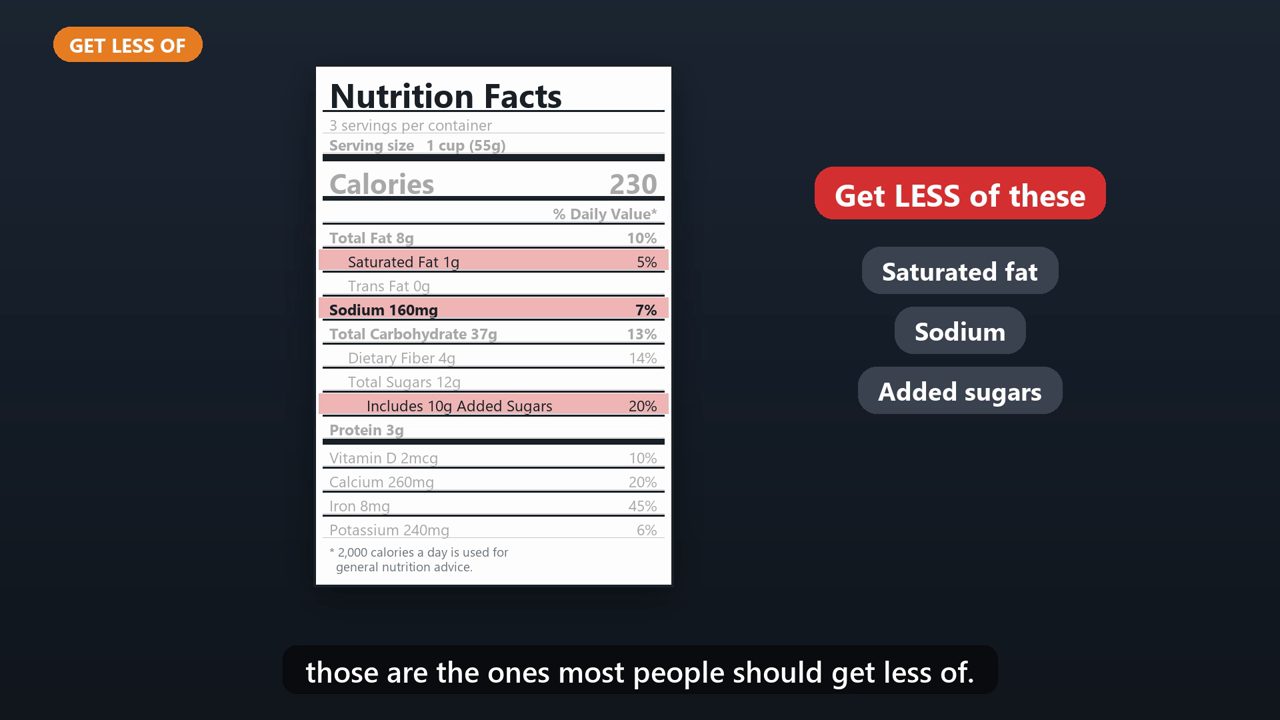
For saturated fat, sodium, and added sugars, aim for lower numbers. According to the F D A, those are the ones most people should get less of.
5. Get More Of
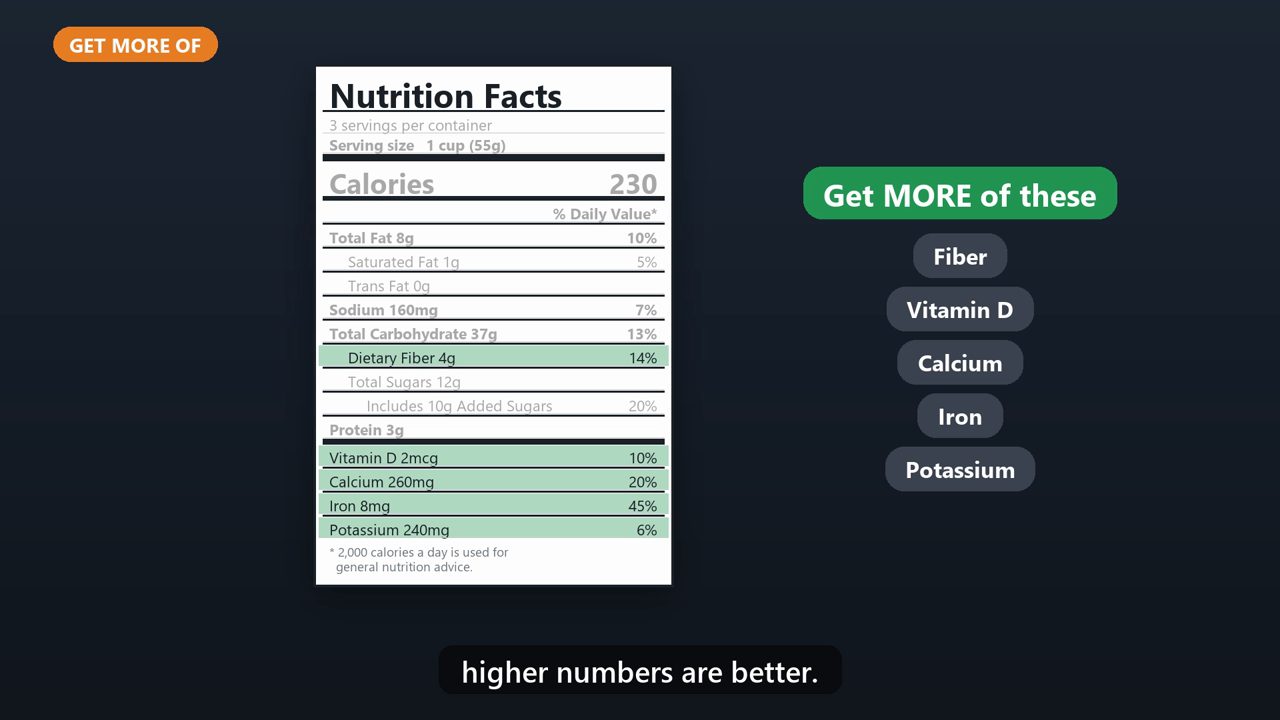
For fiber, vitamin D, calcium, iron, and potassium, higher numbers are better.
6. Total Vs. Added Sugars
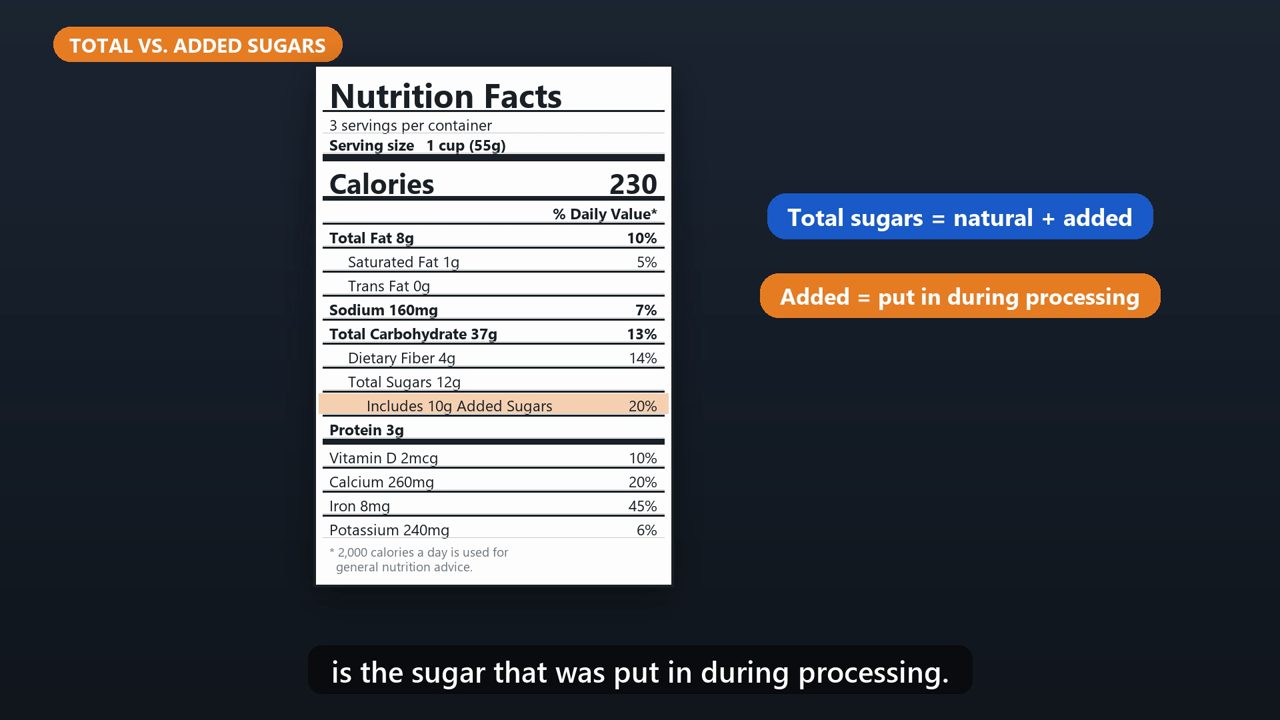
One tricky spot. Total sugars includes the natural sugar from things like fruit and milk. The line that says includes added sugars, is the sugar that was put in during processing.
Tools that make this easier
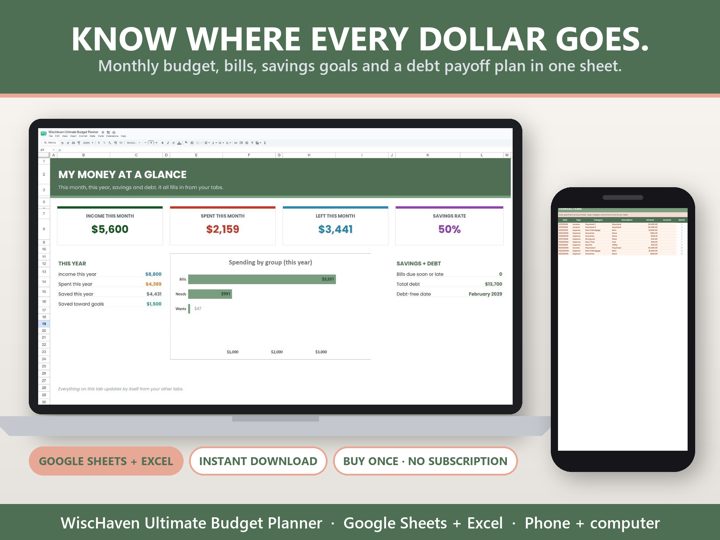
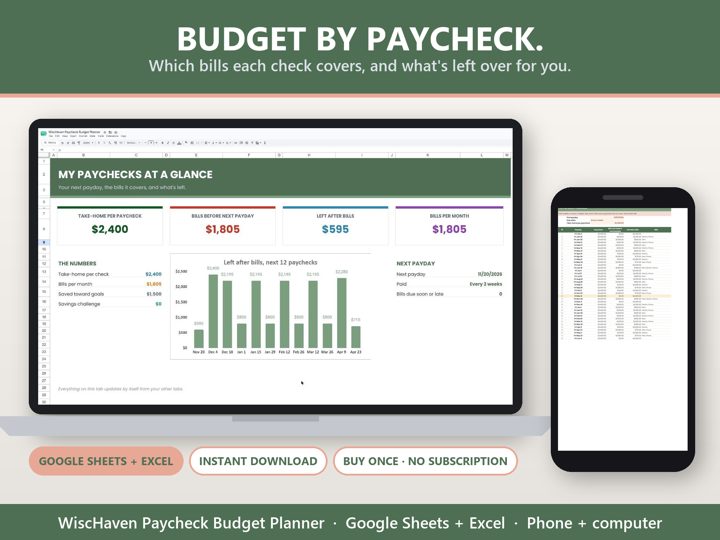
Simple Google Sheets + Excel tools from WiscHaven. Buy once, no subscription.
Sources
Checked against the official sources above. Steps can change as apps update - tell us if something looks different: wischavenindustries@gmail.com