How-To Guides · DIY & tools
How to Read a Tape Measure (The Easy Way)
All those tiny lines on a tape measure confuse almost everyone. Give me two minutes, and you'll be able to read any measurement, plus what the red numbers and little black diamonds are for.
1. The Big Numbers
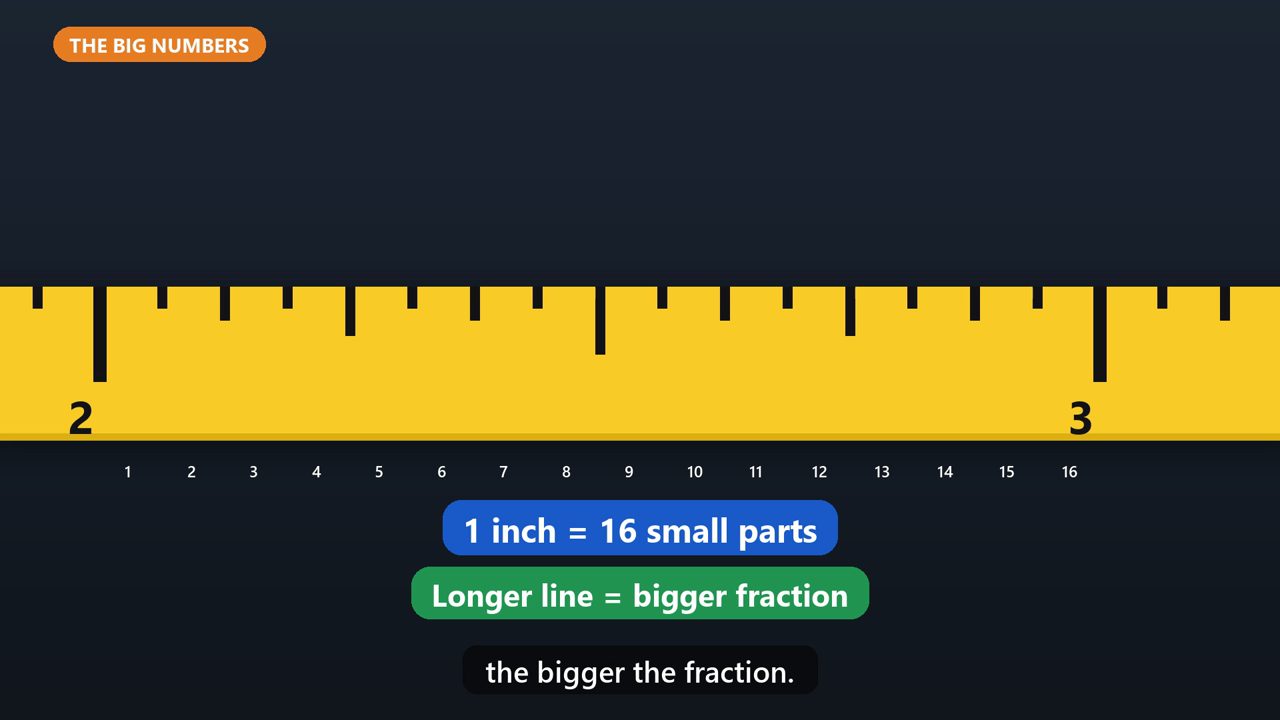
First, the big numbers are inches. On most tapes, every inch is split into sixteen equal parts. And the trick is simple. The longer the line, the bigger the fraction.
2. Longer Line = Bigger Fraction
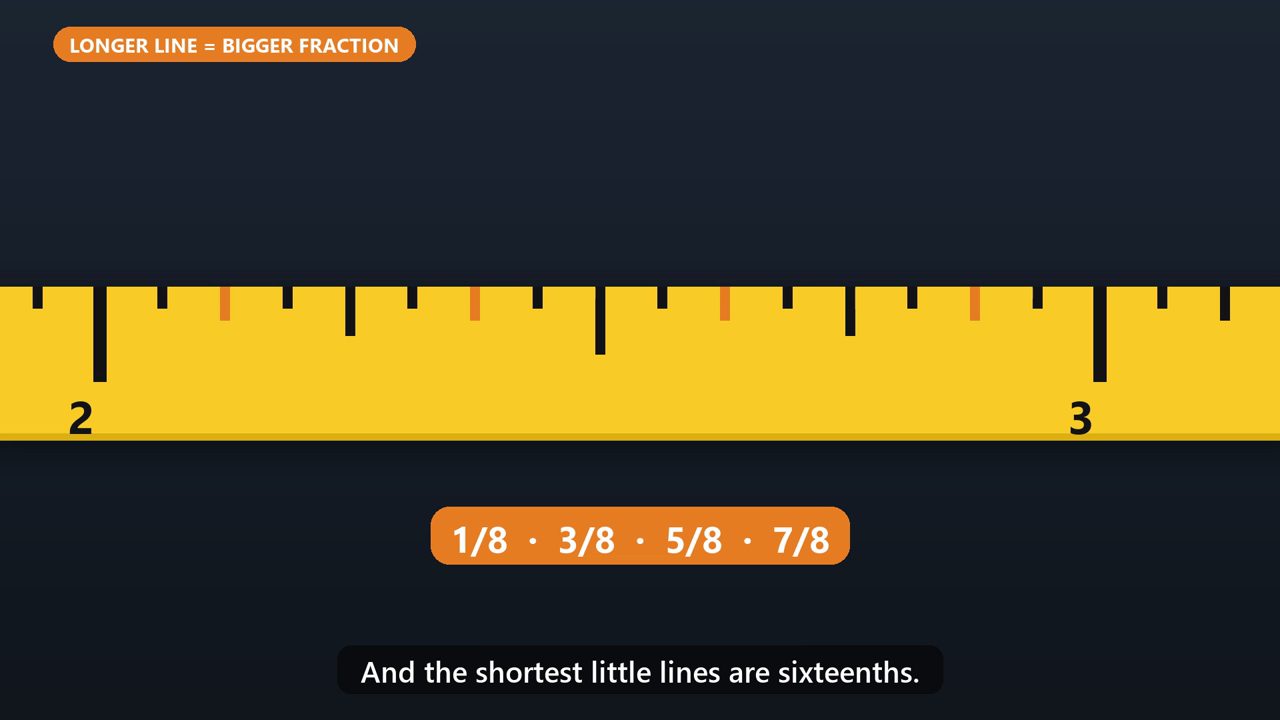
The longest line in the middle of an inch is one half. The next longest lines are quarters. Then come the eighths. And the shortest little lines are sixteenths.
3. The Easy Way To Read Any Mark
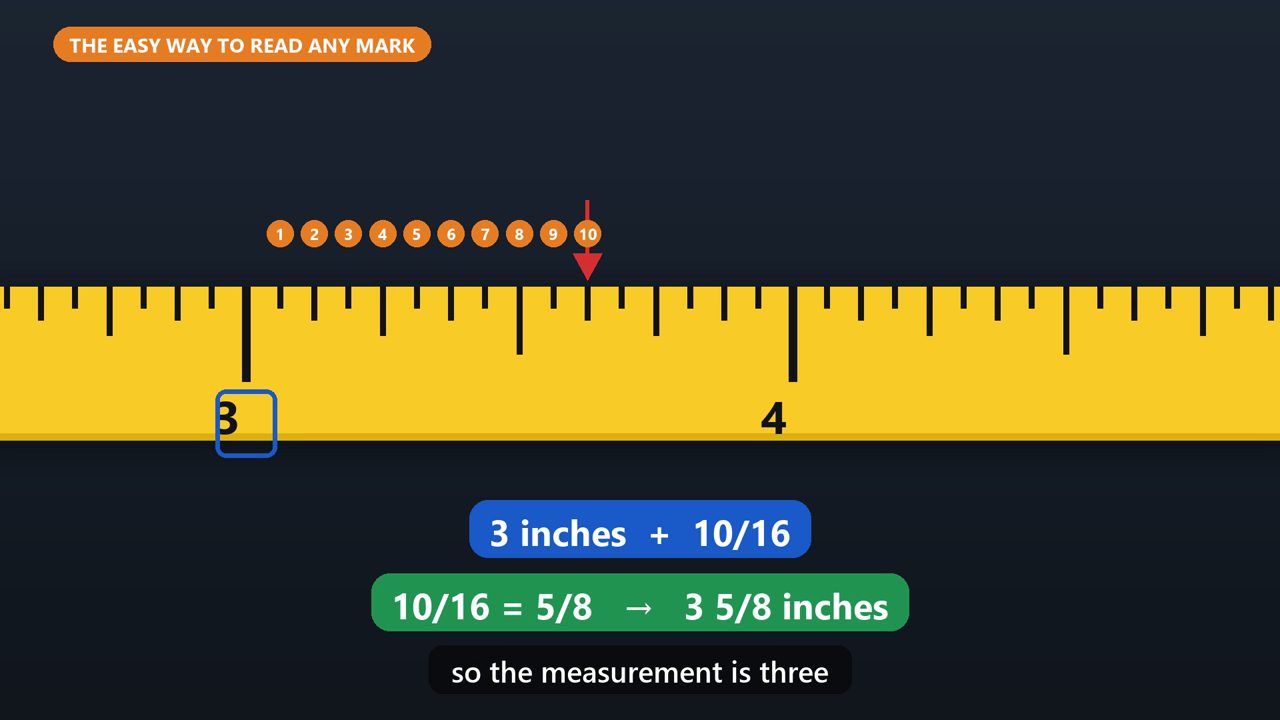
Here's the easiest way to read any spot. Find the last whole inch, then count the tiny lines past it. This is three inches, plus ten sixteenths. Ten sixteenths is the same as five eighths, so the measurement is three and five eighths inches.
4. Feet
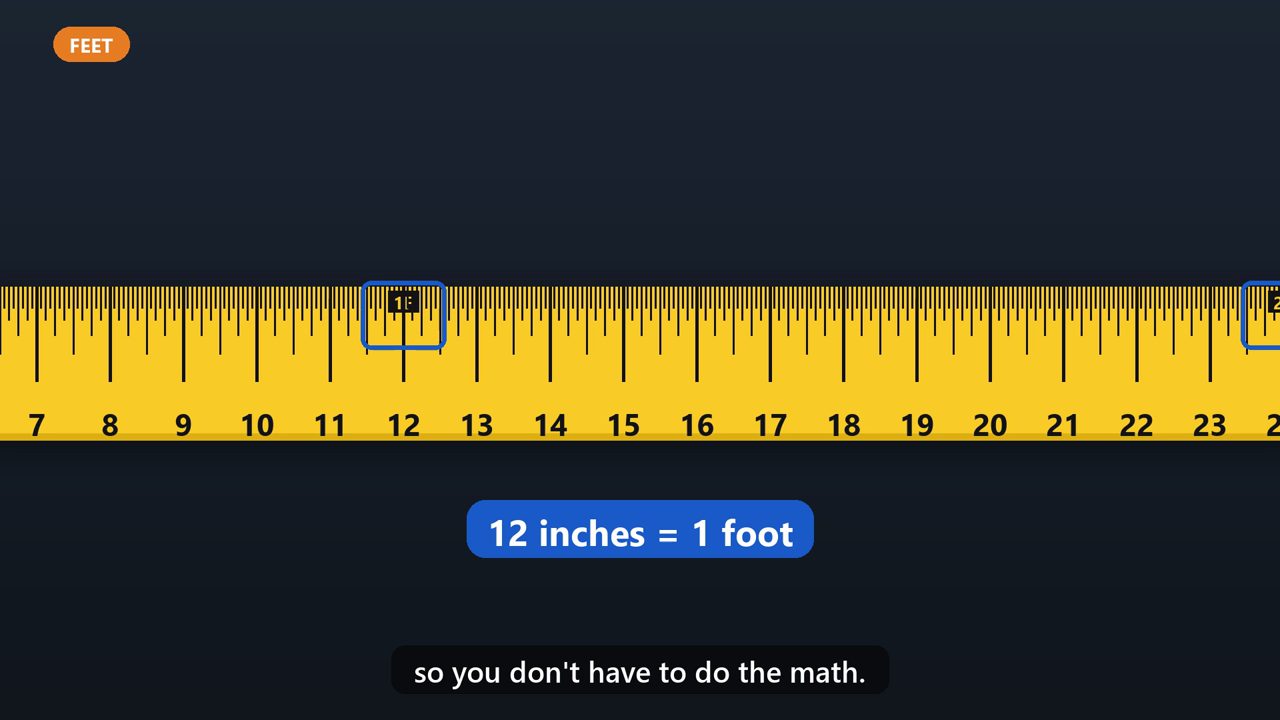
Twelve inches make one foot. So when the tape reaches the numbers thirteen, fourteen, and up, many tapes also mark the feet, so you don't have to do the math.
5. The Red Numbers
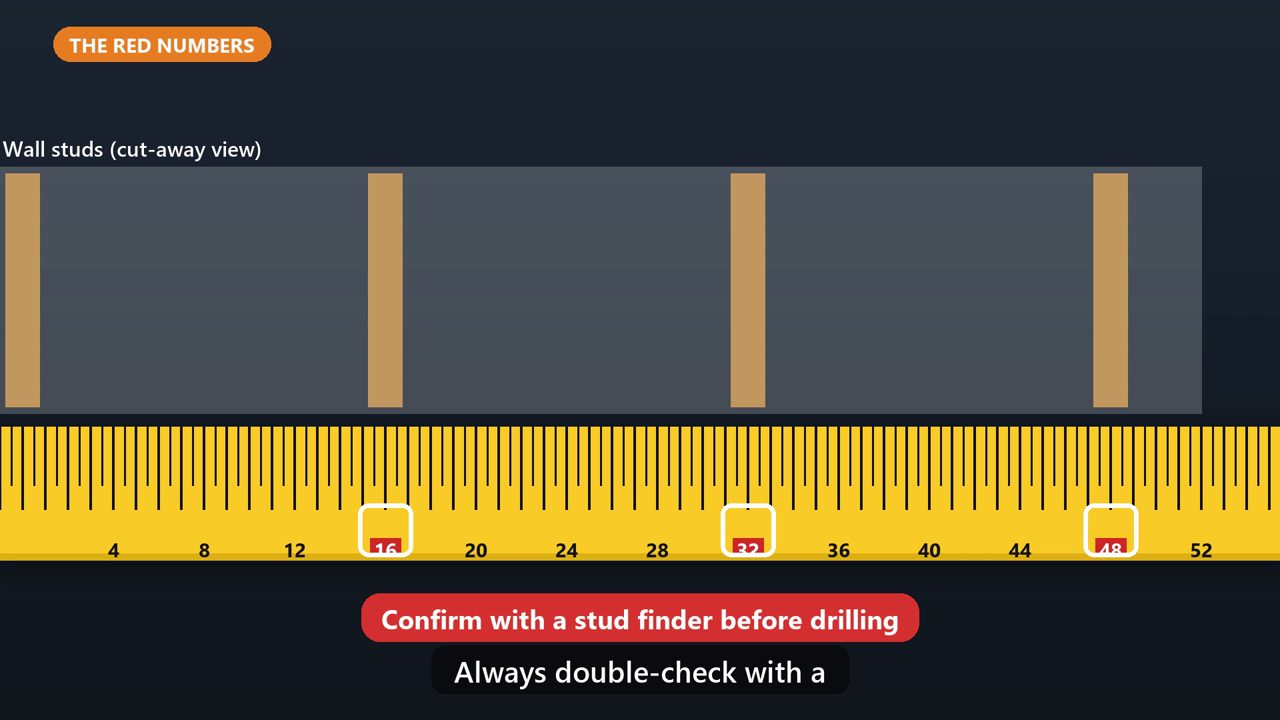
See the red numbers every sixteen inches? Sixteen, thirty-two, forty-eight. Wall studs in most American homes are spaced sixteen inches apart, center to center, so these help you find where the next stud should be. Always double-check with a stud finder before you drill.
6. The Black Diamonds
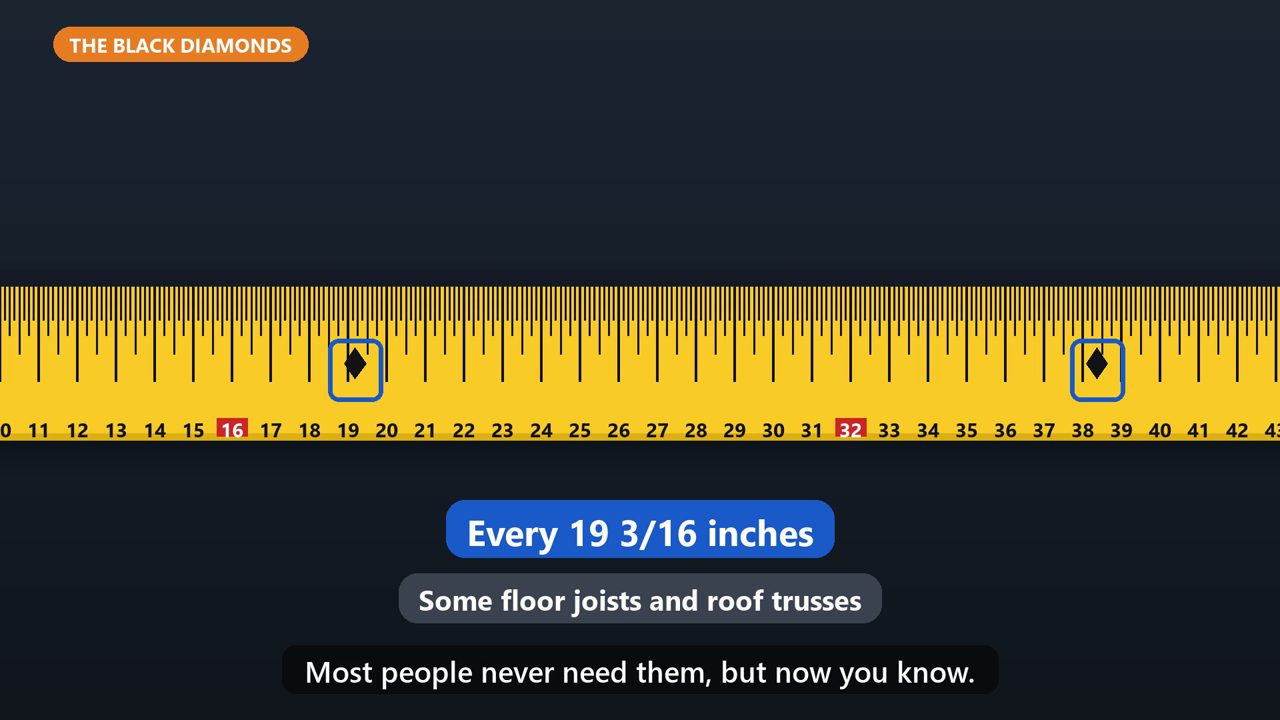
And those little black diamonds? They mark every nineteen and three sixteenths inches. That spacing is used for some floor joists and roof trusses. Most people never need them, but now you know.
7. Why The End Is Loose
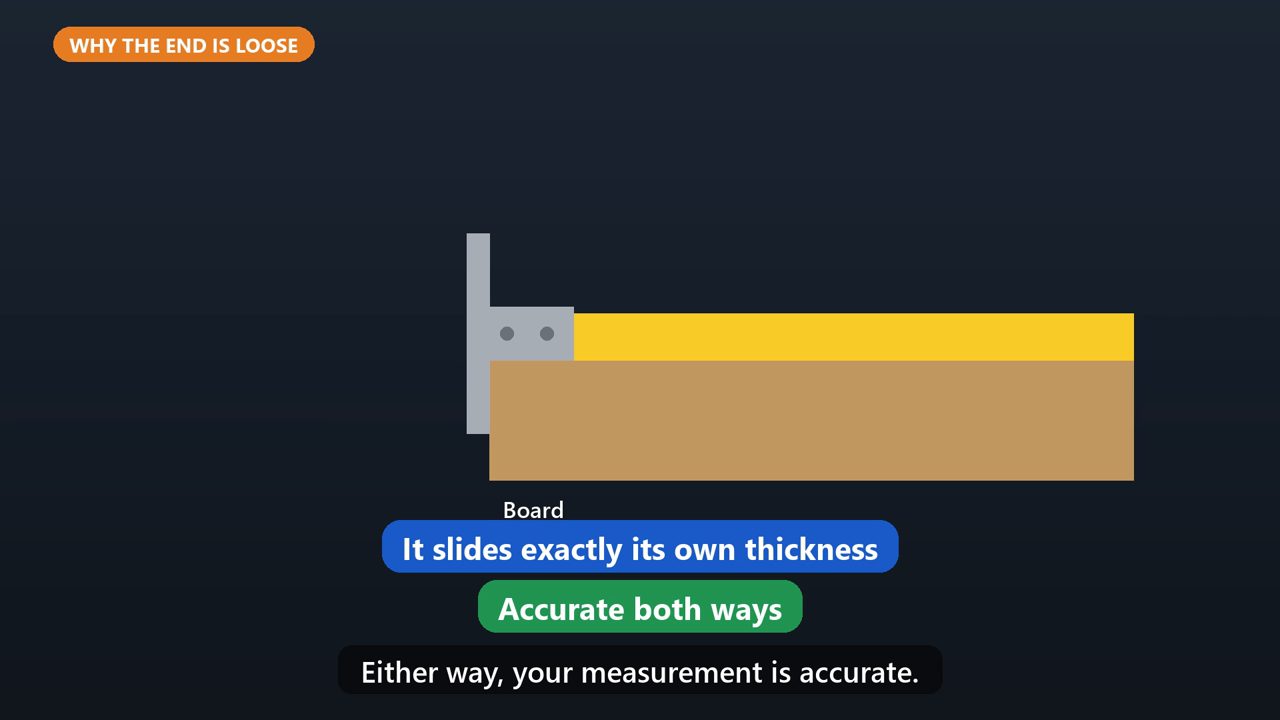
One last thing. The metal hook at the end is loose on purpose. It slides back and forth by exactly its own thickness. When you push it against a wall, it slides in. When you hook it over an edge, it slides out. Either way, your measurement is accurate.
Related: Contractor estimators that do the measuring math for you
Tools that make this easier
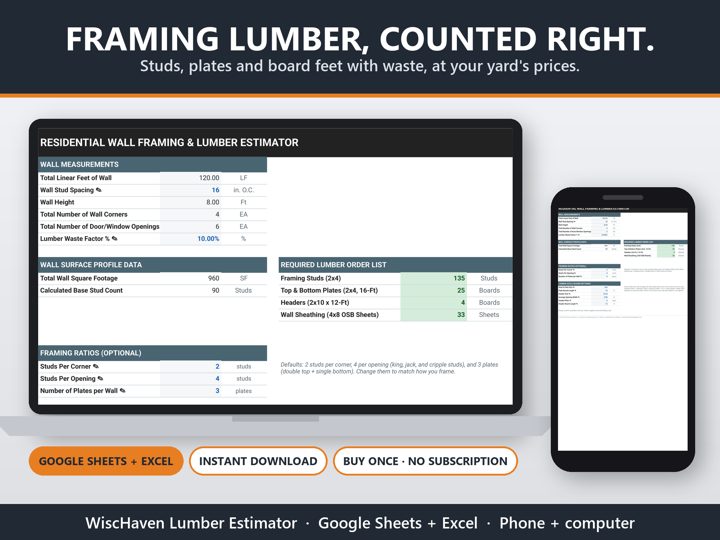
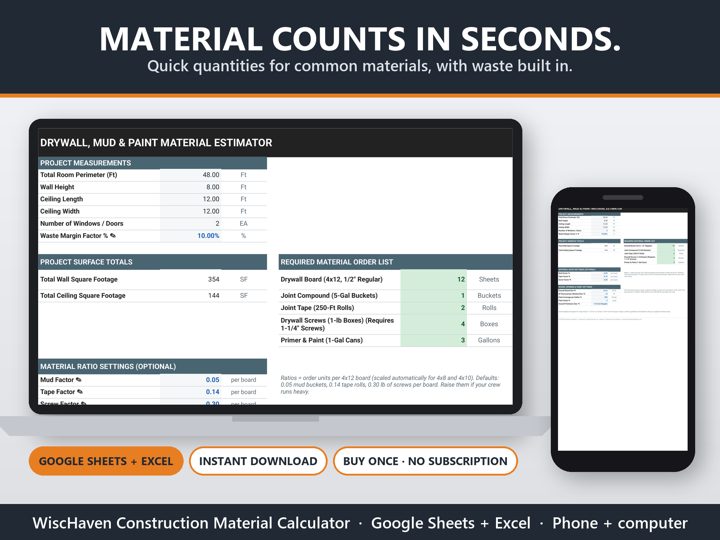
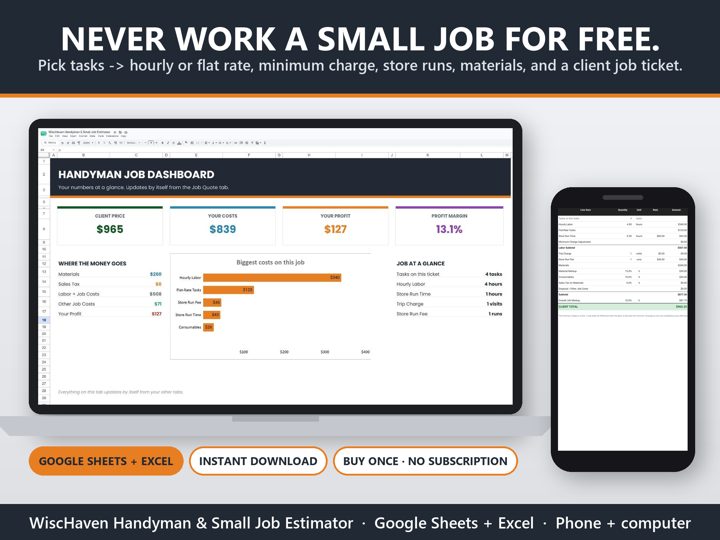
Simple Google Sheets + Excel tools from WiscHaven. Buy once, no subscription.
Sources
Checked against the official sources above. Steps can change as apps update - tell us if something looks different: wischavenindustries@gmail.com