How-To Guides · Safety
How to Treat a Bee or Wasp Sting (and When It's an Emergency)
Most bee and wasp stings hurt for a little while, then get better on their own. Here's how to treat one at home, following the N H S, and the warning signs that mean you need emergency help, right away.
1. Step 1: Get The Stinger Out
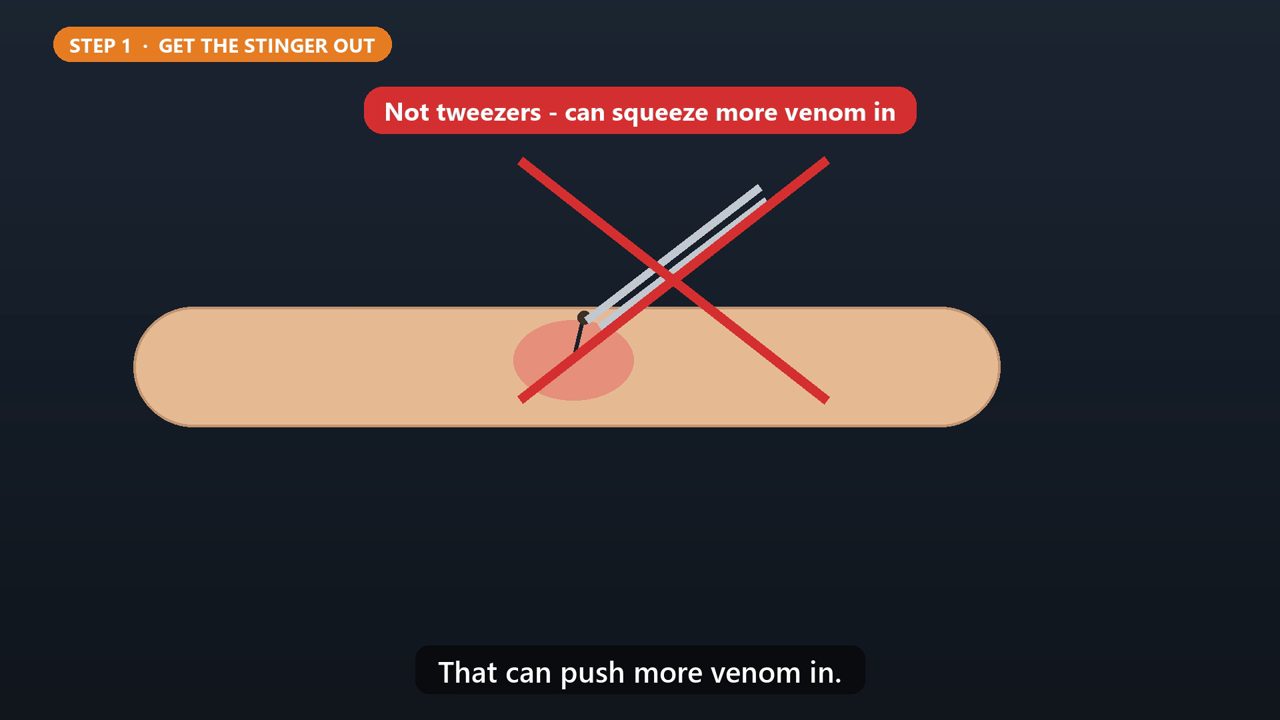
Bees often leave their stinger behind. Scrape it out sideways with a fingernail, or the edge of a bank card. Don't squeeze it with tweezers. That can push more venom in.
2. Step 2: Wash It
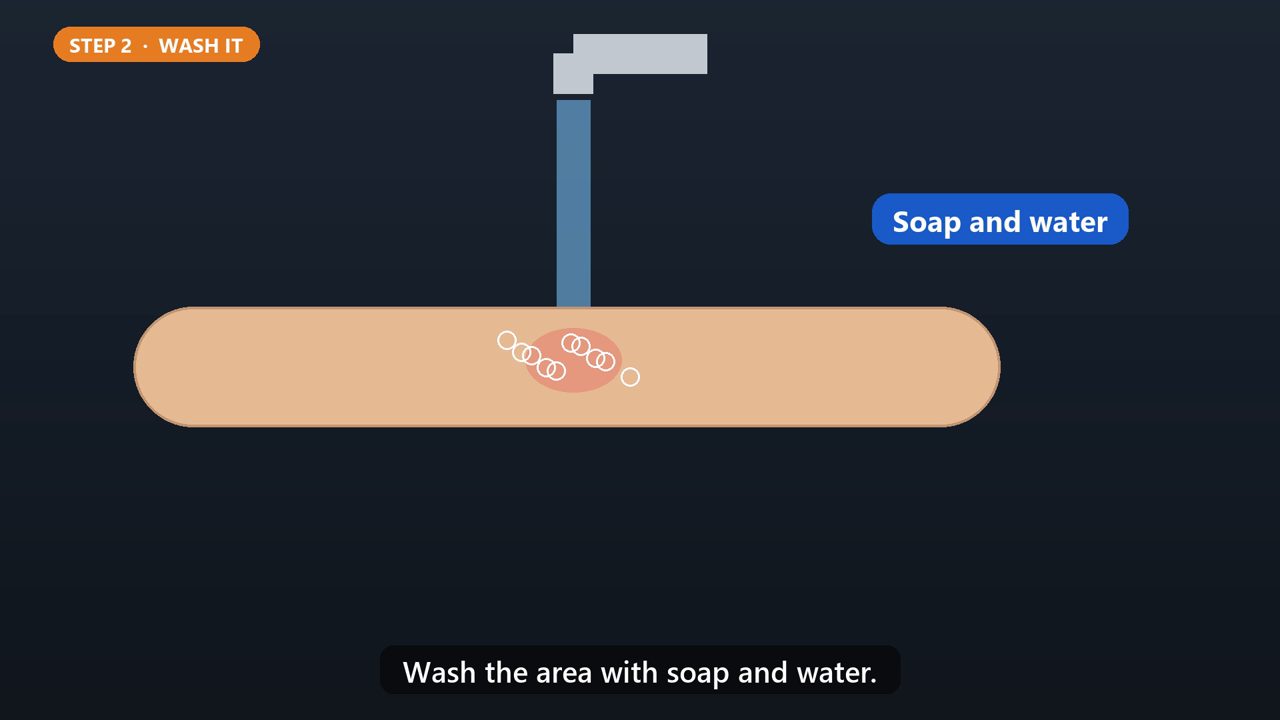
Wash the area with soap and water.
3. Step 3: Cold And Raised
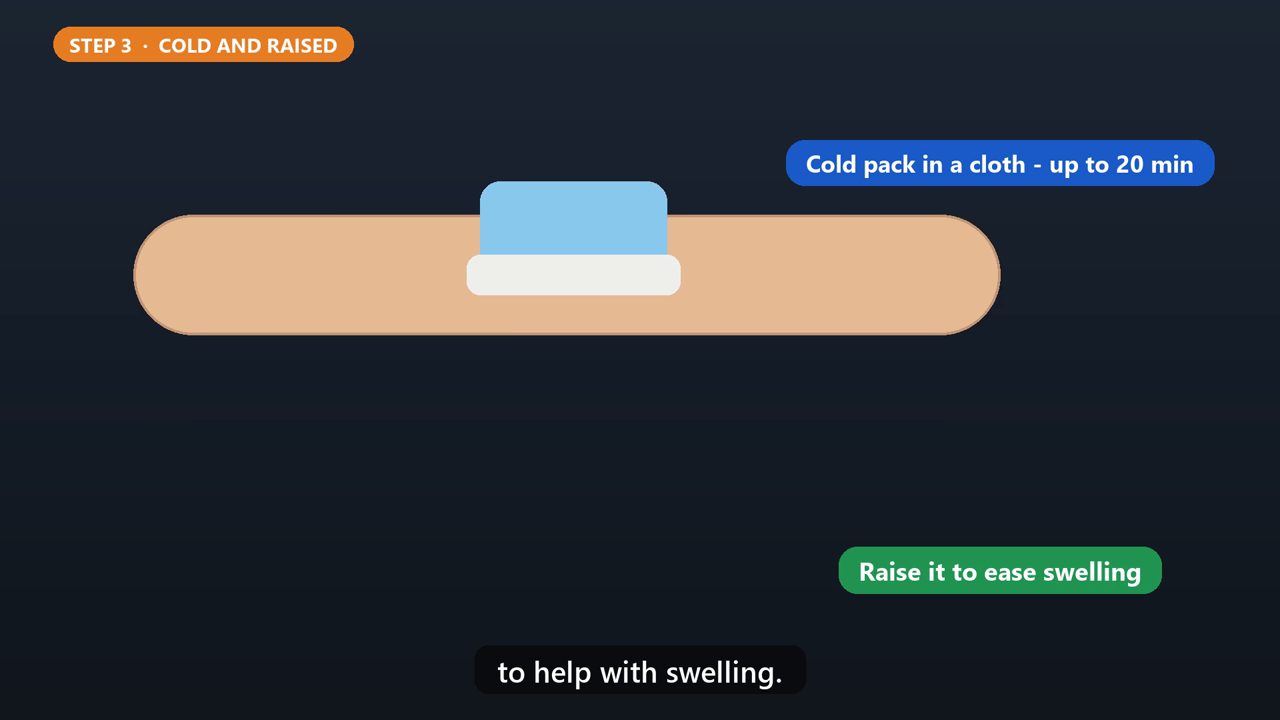
Hold something cold on it, like an ice pack wrapped in a cloth, for up to twenty minutes. If you can, raise the arm or leg that was stung, to help with swelling.
4. Step 4: Ease The Itch
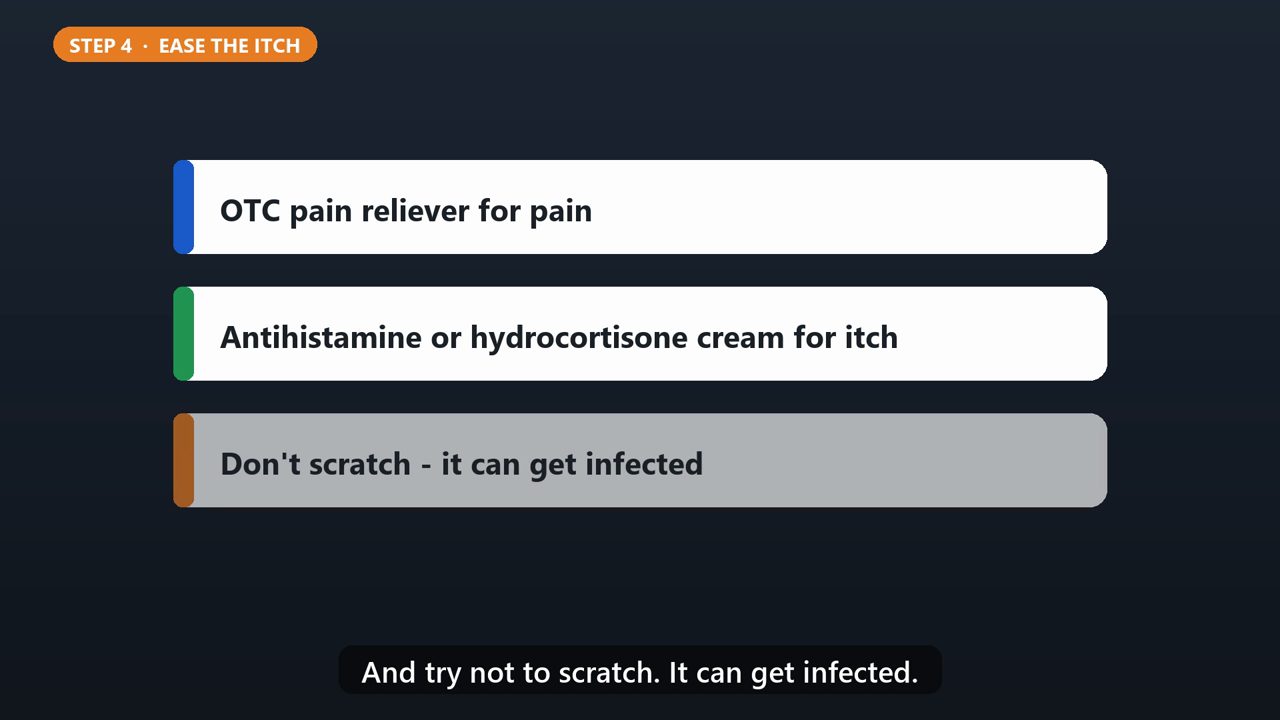
An over the counter pain reliever can help with the pain. An antihistamine, or a hydrocortisone cream, can help with itching and swelling. And try not to scratch. It can get infected.
5. Call 911 If
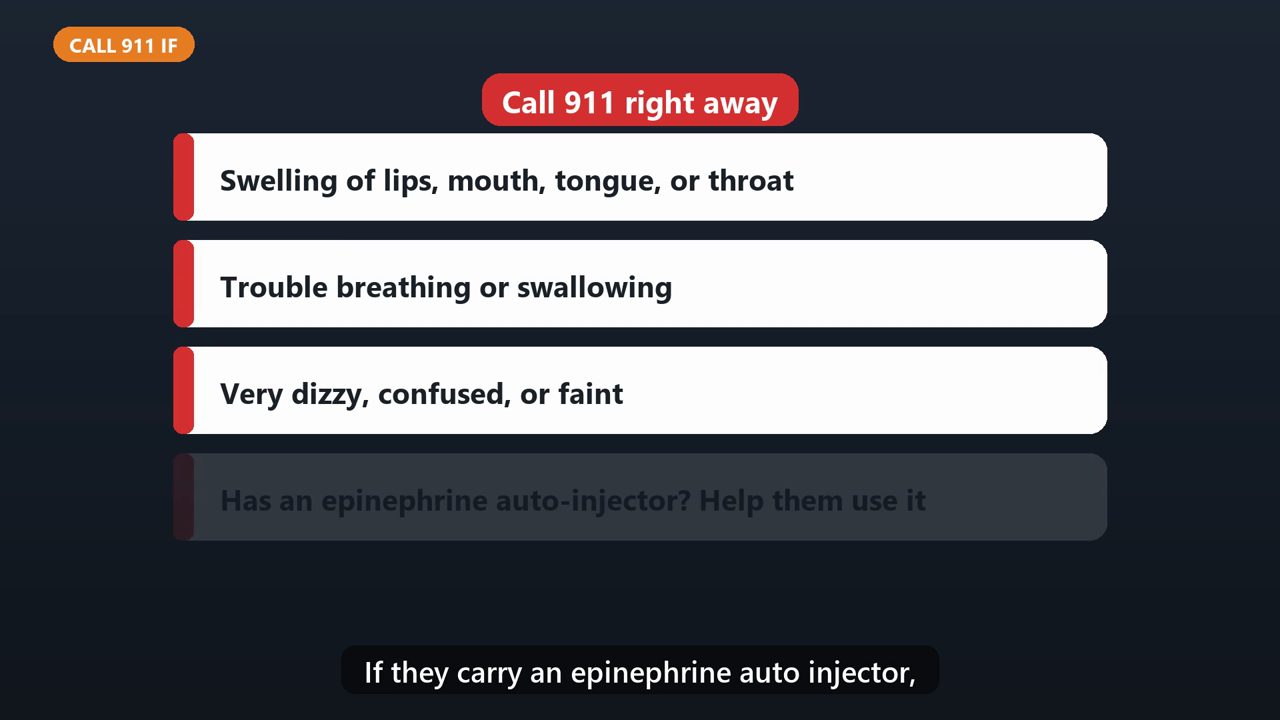
Call nine one one right away if someone has swelling of the lips, mouth, tongue, or throat, trouble breathing or swallowing, or feels very dizzy, confused, or faint. That can be a serious allergic reaction. If they carry an epinephrine auto injector, help them use it.
6. Get Medical Advice If
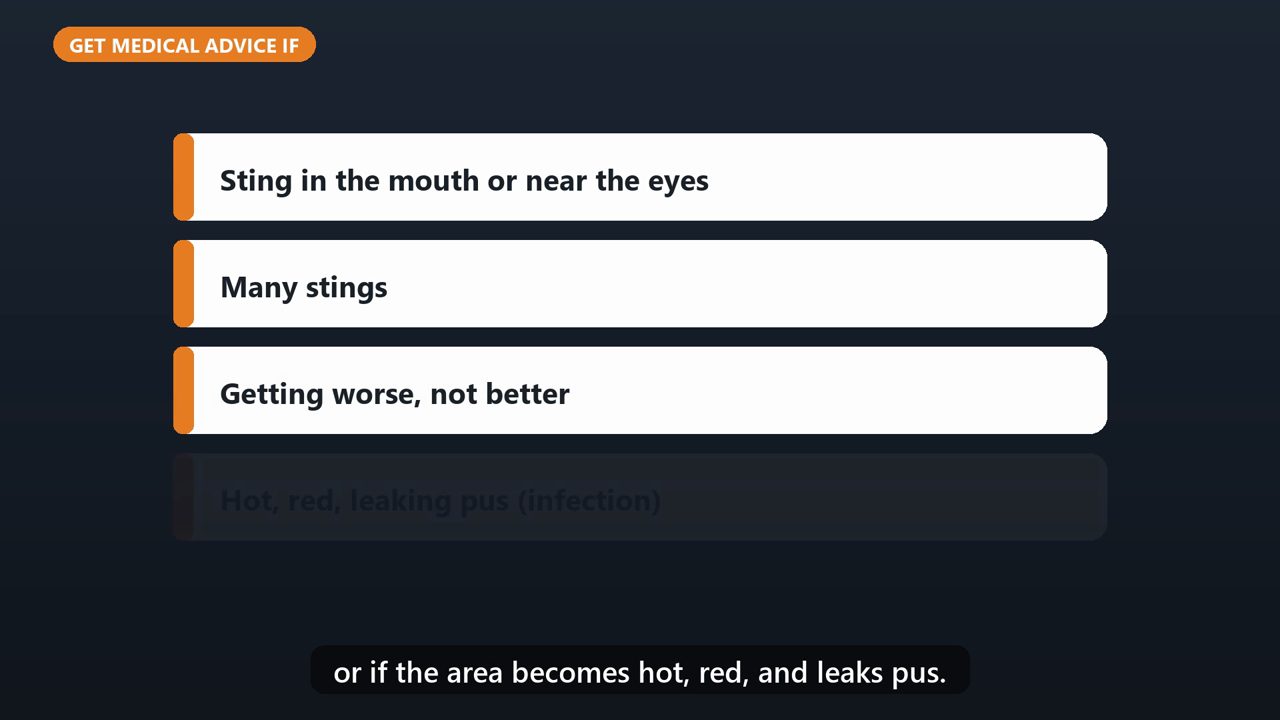
Check with a doctor if the sting is in the mouth or near the eyes, if there were many stings, if it's getting worse instead of better, or if the area becomes hot, red, and leaks pus.
Tools that make this easier
Simple Google Sheets + Excel tools from WiscHaven. Buy once, no subscription.




Checked against the official sources above. Steps can change as apps update - tell us if something looks different: wischavenindustries@gmail.com