How-To Guides · Kitchen
Kitchen Measuring Basics: Cups, Tablespoons, Teaspoons (and Flour)
Recipes only work when the measuring is right. Here are the conversions worth memorizing, and the one flour mistake that makes baked goods dry and dense.
1. Teaspoons Vs Tablespoons
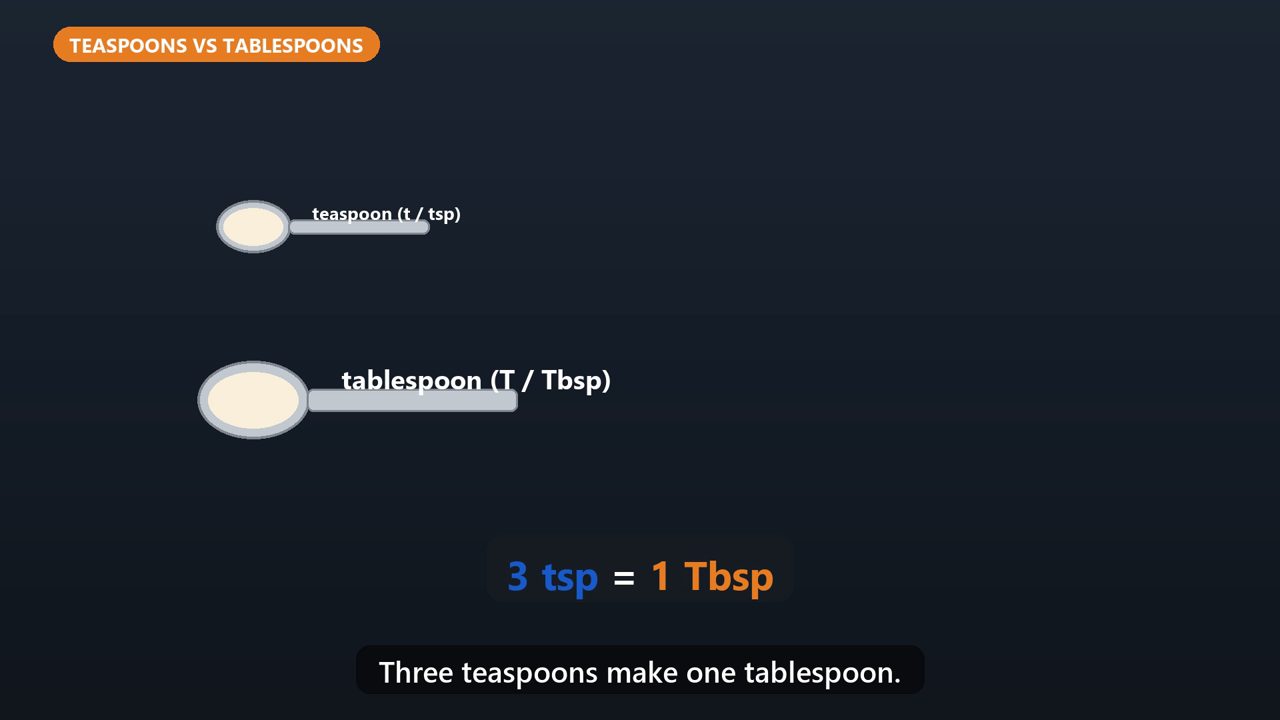
A teaspoon is the small one, often written with a small t. A tablespoon is bigger, often a capital T. Three teaspoons make one tablespoon.
2. Tablespoons To Cups
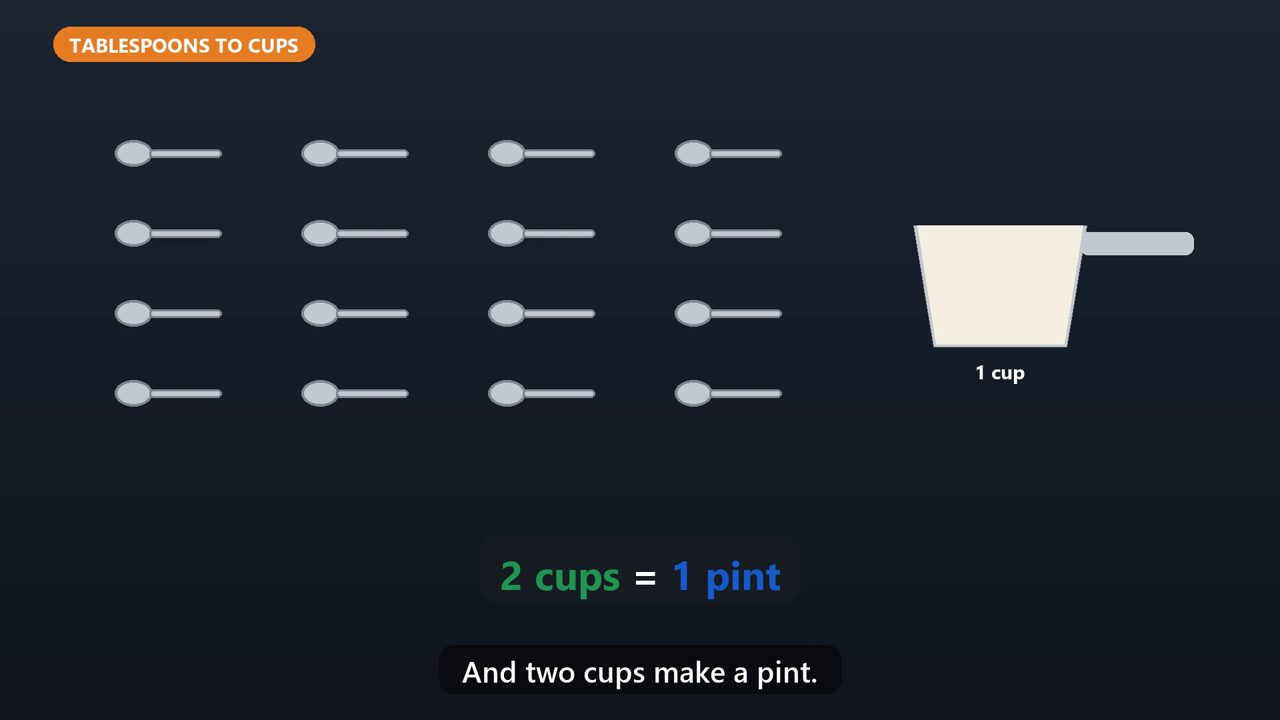
Sixteen tablespoons make one cup. So a quarter cup is four tablespoons. And two cups make a pint.
3. Liquid Vs Dry Cups
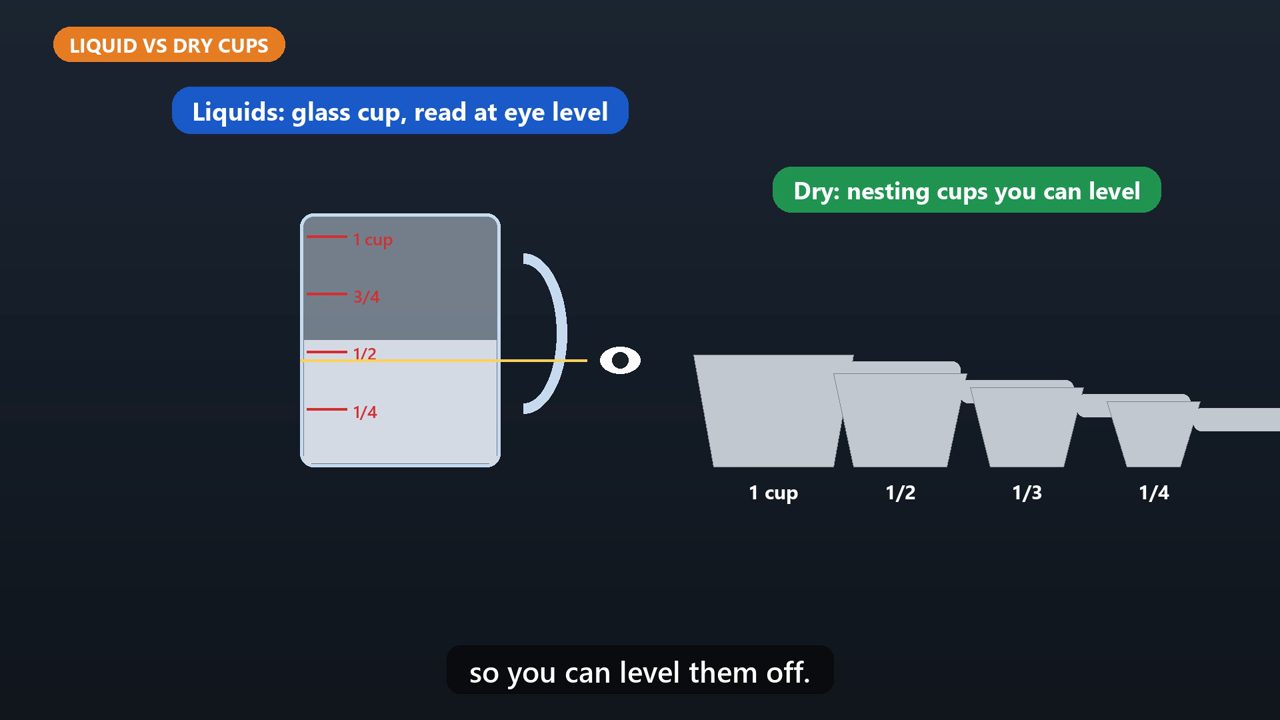
Use the glass cup with lines on the side for liquids. Set it on the counter, and read it at eye level. Use the nesting cups for dry ingredients, so you can level them off.
4. The Flour Mistake
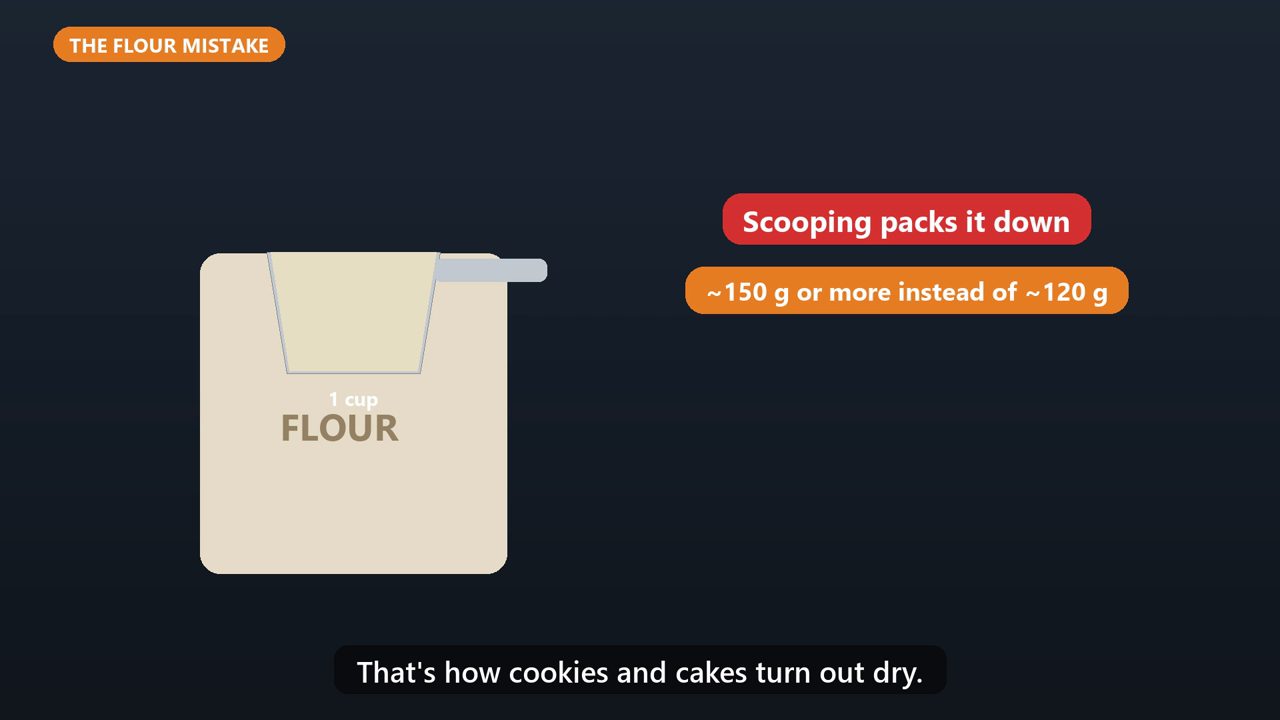
Here's the big one. If you scoop flour straight from the bag with your measuring cup, you pack it down, and get a lot more than a real cup. That's how cookies and cakes turn out dry.
5. Fluff, Spoon, And Level
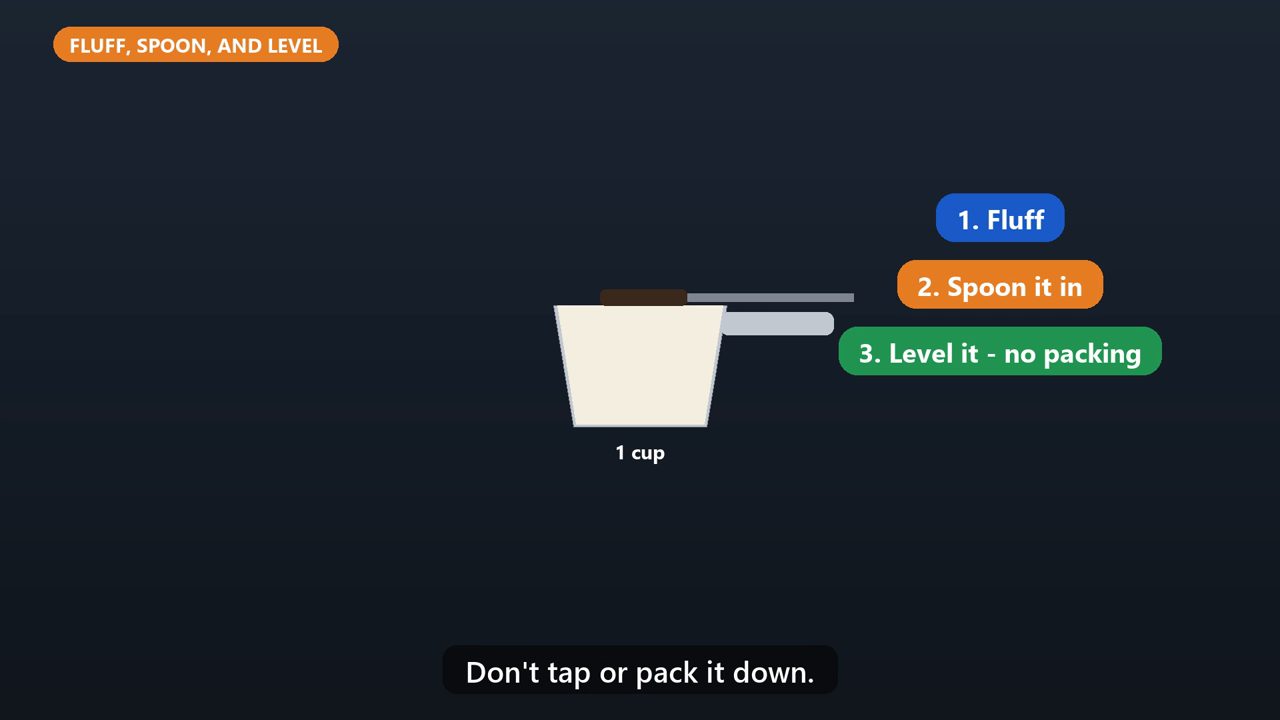
Instead, fluff the flour with a spoon. Then spoon it into the cup until it's heaped up. Sweep the extra off the top with the back of a knife. Don't tap or pack it down.
6. Most Accurate: Use A Scale
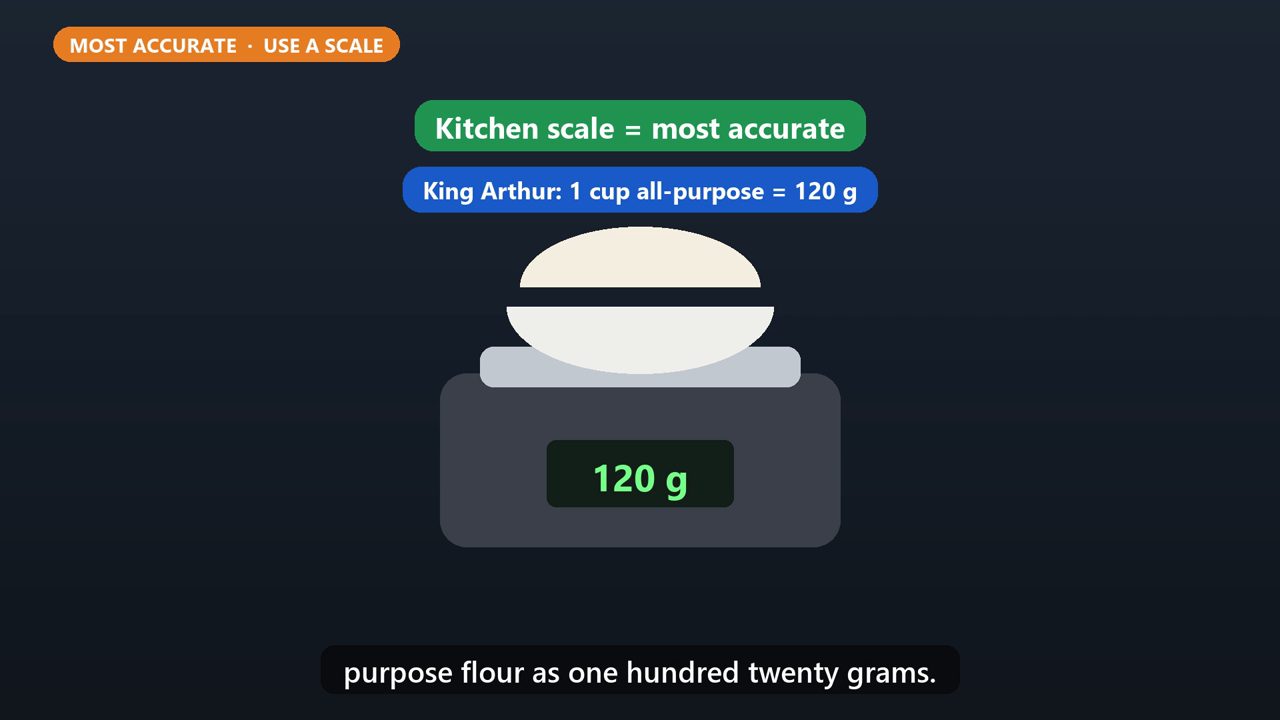
Even better, use a kitchen scale. King Arthur Baking counts one cup of all purpose flour as one hundred twenty grams.
Tools that make this easier
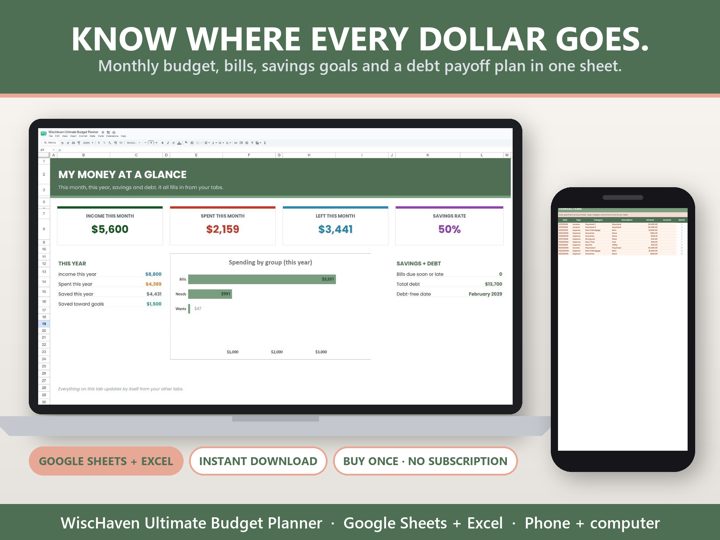
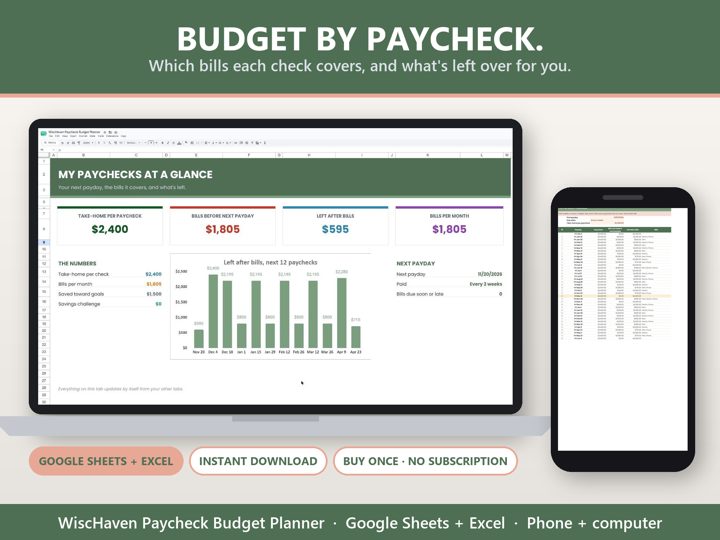
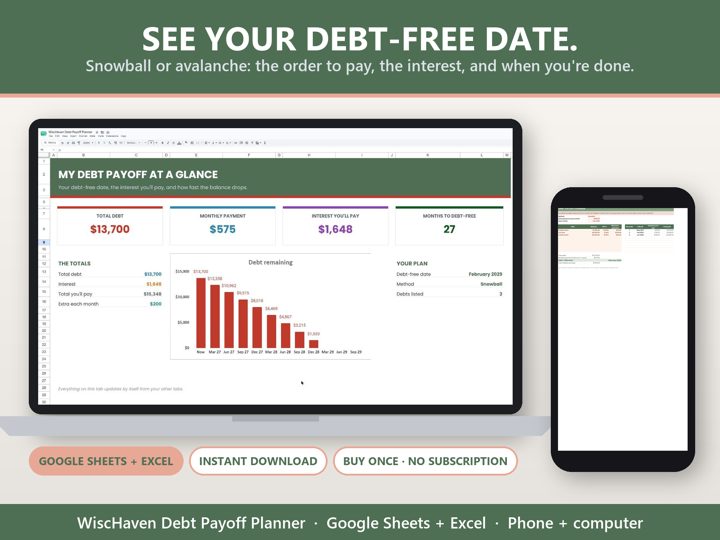
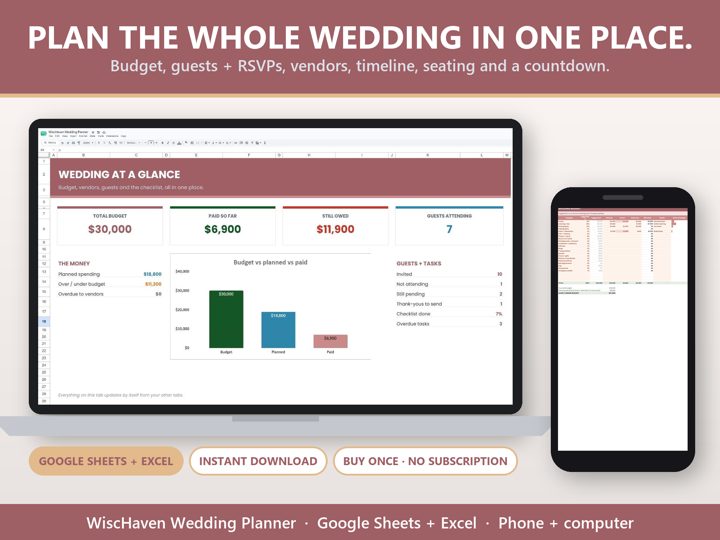
Simple Google Sheets + Excel tools from WiscHaven. Buy once, no subscription.
Sources
Checked against the official sources above. Steps can change as apps update - tell us if something looks different: wischavenindustries@gmail.com